
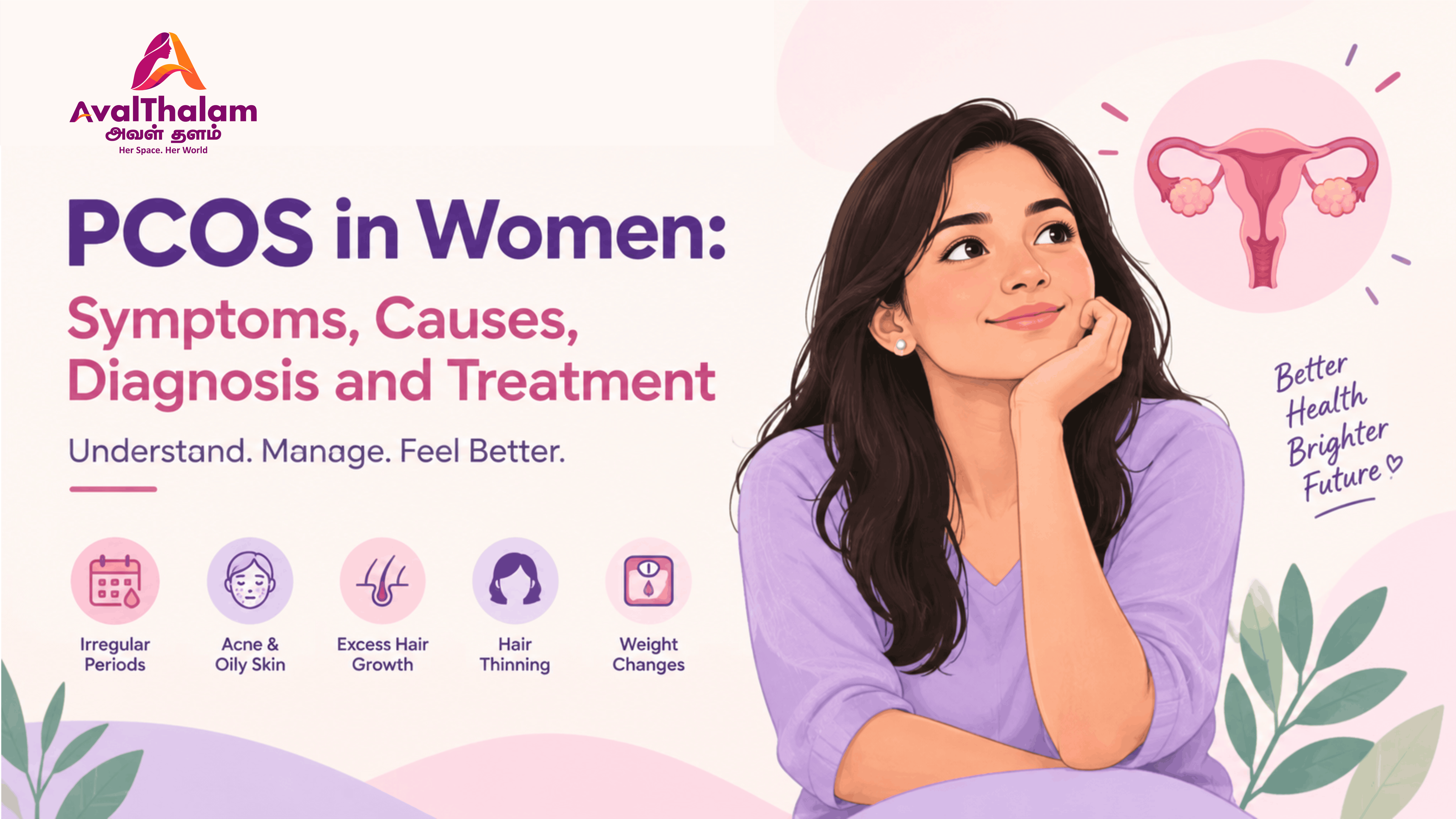
What Is PCOS?
Have you ever experienced irregular periods, persistent acne, unexpected weight changes or unusual hair growth? These symptoms can have several causes. One condition a healthcare professional may consider is Polycystic Ovary Syndrome (PCOS).
PCOS is a common hormonal condition that can affect menstrual cycles, ovulation, skin, hair and metabolic health. The World Health Organization estimates that PCOS affects around 10–13% of reproductive-aged women worldwide, and many cases remain undiagnosed.
PCOS can affect each woman differently. Understanding the possible signs and seeking the right medical advice can help you manage your health with greater confidence.
1. What Are the Common Symptoms of PCOS?
PCOS symptoms vary from person to person. Some women experience several symptoms, while others notice only a few.
Irregular periods
Periods that frequently arrive late, occur infrequently or stop for extended periods may indicate an issue with ovulation or hormones. PCOS is one possible cause, but thyroid conditions, stress, pregnancy and other factors can also affect menstrual cycles.
Acne and oily skin
Persistent acne, particularly when it develops alongside irregular periods or other hormonal symptoms, may be associated with elevated androgen levels.
Unwanted facial or body hair
Some women notice increased hair growth on the chin, upper lip, chest or abdomen. This can be associated with hormonal changes.
Hair thinning
Thinning hair on the scalp, particularly around the crown or hairline, can sometimes occur with PCOS. However, nutritional deficiencies, thyroid disorders and other conditions can also cause hair loss.
Weight changes
Some women with PCOS experience weight gain or find weight management difficult. PCOS can also affect women who are not overweight.
Important: Having one or more of these symptoms does not automatically mean you have PCOS. A healthcare professional can help determine the cause.
2. What Causes PCOS?
The exact cause of PCOS is not fully understood. Several factors may contribute, including:
Hormonal changes: Higher androgen levels can contribute to acne, excess hair growth and irregular ovulation.
Insulin resistance: Some women have difficulty responding effectively to insulin, which may affect blood sugar regulation and hormone activity.
Family history: PCOS or type 2 diabetes in close family members may increase the likelihood of developing the condition.
Metabolic factors: PCOS is associated with an increased risk of conditions such as type 2 diabetes and abnormal cholesterol levels.
PCOS is not simply caused by eating particular foods or having a particular body weight. Avoid blaming yourself if you receive a diagnosis.
3. How Is PCOS Diagnosed?
There is no single test that diagnoses PCOS in every woman.
A doctor may review your menstrual history, symptoms, family history and medical background. Depending on your circumstances, they may recommend blood tests to assess hormone levels and other health markers, or an ultrasound examination.
In adults, diagnosis commonly involves assessing whether at least two of the following are present after other possible causes have been excluded:
Irregular or absent ovulation, often reflected in irregular periods.
Clinical or blood-test evidence of elevated androgen levels.
Polycystic ovarian appearance on ultrasound.
An ultrasound showing polycystic ovaries is not necessary in every case. In adolescents, diagnosis requires particular care because some normal changes during puberty can resemble PCOS symptoms.
Do not rely on an online symptom checklist or ultrasound report alone to diagnose yourself.
4. Can Lifestyle Changes Help Manage PCOS?
Yes. Healthy lifestyle habits can support overall health and may improve some PCOS-related symptoms. The most suitable approach depends on your symptoms, health needs and personal circumstances.
Eat balanced, nourishing meals
Aim to include a variety of foods, such as:
Whole grains like oats, millets and whole-wheat foods.
Protein sources such as dal, chickpeas, beans, eggs, fish or other preferred options.
Vegetables and whole fruits.
Nuts, seeds and other sources of healthy fats.
For many women, balanced meals with fibre and protein can support healthy blood sugar management. You do not need to follow an extreme diet or completely eliminate carbohydrates.
Stay physically active
Choose activities you enjoy, such as brisk walking, cycling, dancing, swimming or strength exercises. Regular movement supports cardiovascular and metabolic health, even if your weight does not change.
Start at a manageable level and increase activity gradually.
Prioritise sleep
Try to maintain a consistent sleep schedule and allow enough time for restful sleep. If you regularly snore loudly or experience significant daytime sleepiness, discuss it with a healthcare professional.
Take care of your emotional well-being
Living with persistent symptoms can be frustrating. Anxiety, low mood and concerns about body image can affect quality of life. Reach out to someone you trust or seek professional support if these feelings become difficult to manage.
Remember: Lifestyle changes can help, but they are not a guaranteed cure for PCOS and should not replace medical care when needed.
5. Is There a Treatment for PCOS?
There is currently no single cure for PCOS, but several treatment options can help manage symptoms and reduce certain long-term health risks.
Depending on your needs, a doctor may discuss:
Medicines to help regulate periods.
Treatments for acne or unwanted hair growth.
Support for blood sugar or metabolic concerns.
Fertility treatment if you are trying to become pregnant.
Individualised nutrition, physical activity and weight-management support, where appropriate.
Treatment depends on your symptoms, medical history and pregnancy plans. A medicine that suits one person may not be suitable for another.
Avoid starting hormonal tablets, diabetes medicines or unverified herbal supplements without professional guidance.
6. Can Women With PCOS Get Pregnant?
Yes. Many women with PCOS can become pregnant, either naturally or with medical support.
PCOS can affect ovulation, which may make conception more difficult for some women. However, a diagnosis does not mean that pregnancy is impossible.
If you are planning a pregnancy, speak with your doctor about ovulation, preconception health and any additional monitoring you may need.
If your periods are absent for several months, or you have concerns about fertility, do not delay seeking medical advice.
7. When Should You Consult a Doctor?
Consider booking an appointment if you experience:
Persistently irregular periods or long gaps between periods.
New or increasing facial hair or significant hair thinning.
Persistent acne alongside menstrual changes.
Difficulty conceiving.
Unexpected weight changes or other symptoms that concern you.
Seek urgent medical care for very heavy bleeding accompanied by dizziness or fainting, severe pelvic pain, or possible pregnancy with pain or bleeding.
Early assessment can help identify the cause of your symptoms and determine whether treatment is needed.
Frequently Asked Questions About PCOS
Is PCOS the same as PCOD?
PCOS stands for Polycystic Ovary Syndrome. PCOD is a term commonly used in India, often to refer to the same condition. Terminology can vary, so ask your healthcare professional to clarify your diagnosis.
Can PCOS occur in women who are slim?
Yes. PCOS can affect women of different body sizes. Being slim does not rule it out.
Can PCOS be managed without medication?
Some women can manage certain symptoms with lifestyle support, while others benefit from medication. The right approach depends on the symptoms, risks and individual health needs.
Does having PCOS mean I cannot have children?
No. Many women with PCOS have children. Some may need support with ovulation or fertility treatment.
Should I take supplements for PCOS?
Not every woman needs supplements. Their usefulness depends on individual nutritional status, symptoms and medical advice. Discuss supplements with your healthcare professional before starting them.
Final Thoughts
PCOS can feel confusing, especially when symptoms affect your periods, skin, hair or plans for pregnancy. But understanding your body and seeking reliable medical guidance are important first steps.
Focus on sustainable habits, ask questions during medical appointments, and remember that your experience may differ from someone else's. With appropriate support, PCOS symptoms and associated health risks can often be managed.
Your health matters. Listen to your body, seek reliable information and take one step at a time.
Medical disclaimer: This article is for general educational purposes only and is not a substitute for professional medical advice, diagnosis or treatment. Please consult a qualified healthcare professional for advice about your individual symptoms.